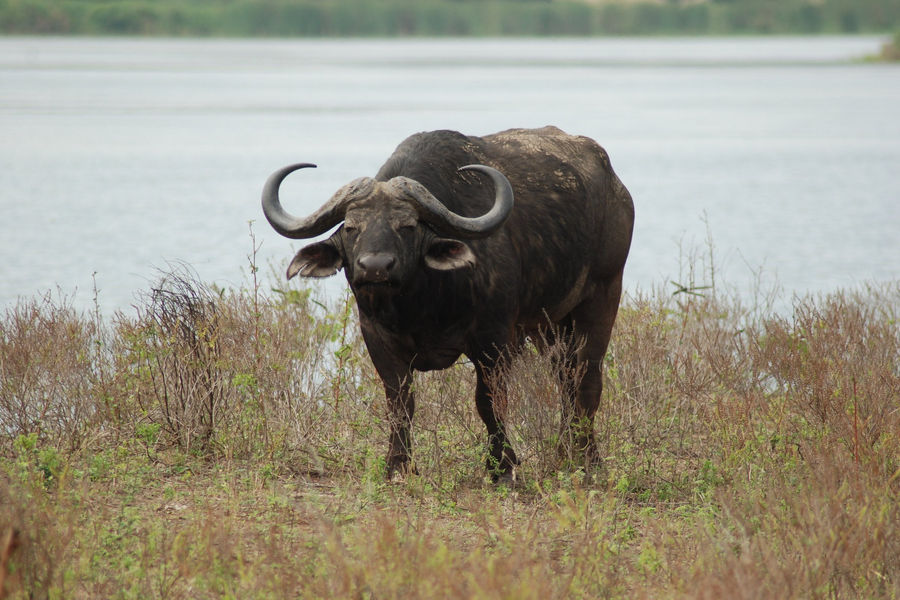
South Luangwa sits in a wide valley cut by the Luangwa River, about nine thousand square kilometres of it, and it is the park that changed how people go on safari. Norman Carr began taking guests out on foot here in the 1950s, and the walking safari has been the Luangwa's signature ever since — no engine, an armed scout ahead, and a pace that lets you read tracks rather than drive past them.
It is also one of the most reliable places in Africa to see leopard. The valley is dense with them, and because night drives are allowed, you go out after dark with a spotlight and find the animals that spend the day asleep — leopard, civet, genet, honey badger, porcupine.
The river shapes everything. It shifts course constantly, leaving oxbow lagoons behind it, and those lagoons hold the hippo and draw the game in the dry months. Two subspecies live here and nowhere else: Thornicroft's giraffe and Crawshay's zebra.
Best time to visit South Luangwa National Park
June to October
The dry season empties the bush of cover and concentrates everything on the river and the lagoons. September and October are hot — properly hot — and the best game viewing of the year. From December to March the rains come, much of the park becomes impassable and many camps close; what is left is green, full of birds and newborn antelope, and very quiet.
Getting there
Mfuwe has an airport with scheduled flights from Lusaka, which is how most people arrive. By road it is around two hours from Chipata, and Chipata is half an hour from the Malawian border at Mchinji — which is why a Luangwa safari slots so neatly onto a Malawi trip.